If you are looking for high-quality products, please feel free to contact us and send an inquiry, email: brad@ihpa.net
Introduction to Concrete Foaming Representatives: Allowing the Increase of Lightweight, Energy-saving Concrete Solution
Concrete foaming representatives have emerged as a transformative part in modern construction, making it possible for the production of light-weight oxygenated concrete with boosted thermal insulation, minimized structural lots, and improved workability. These specialized surfactants produce secure air bubbles within the concrete matrix, resulting in products that integrate toughness with reduced density. As urbanization speeds up and sustainability comes to be a core concern in structure layout, lathered concrete is getting traction across household, industrial, and infrastructure tasks for its versatility and environmental advantages.
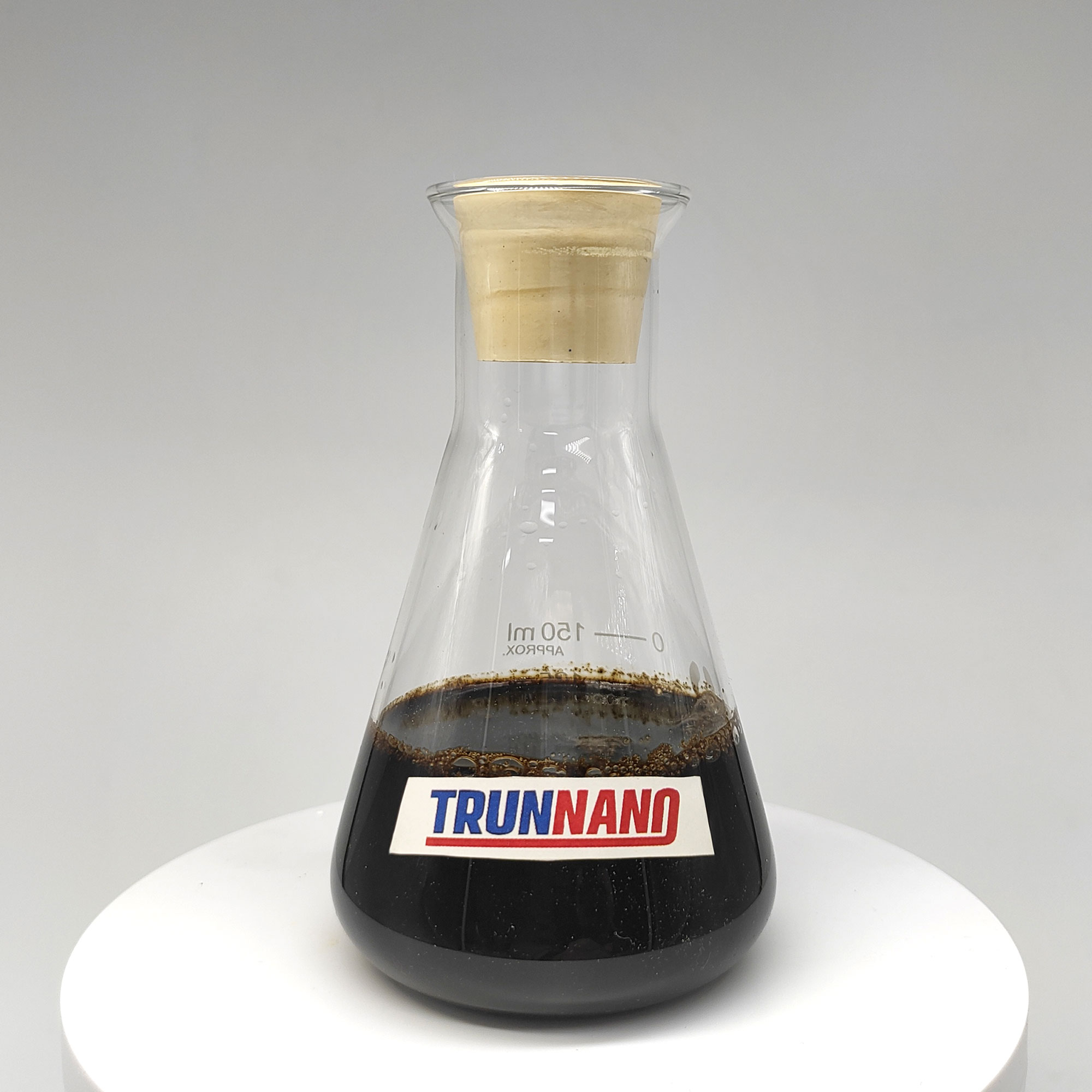
(Concrete foaming agent)
Chemical Make-up and System of Action
Concrete foaming agents are commonly based on protein hydrolysates, synthetic surfactants, or hybrid solutions designed to stabilize air bubbles during blending and healing. When introduced into the concrete slurry, these representatives decrease surface area tension and facilitate the formation of attire, fine-cell foam frameworks. The stability of the foam is essential– inadequately stabilized bubbles can coalesce or collapse, causing irregular density and jeopardized mechanical residential properties. Advanced lathering representatives currently incorporate nano-additives and rheology modifiers to boost bubble retention, flowability, and early-age stamina development in foamed concrete systems.
Production Refine and Foam Stability Considerations
The production of foamed concrete involves two key approaches: pre-foaming and mixed frothing. In pre-foaming, air is created individually using a frothing maker before being mixed into the cementitious mix. Mixed lathering introduces the foaming representative directly right into the mixer, creating bubbles sitting. Both techniques call for exact control over foam generation, dose rates, and blending time to make certain optimum performance. Elements such as water-to-cement proportion, ambient temperature level, and concrete reactivity significantly affect foam security, prompting ongoing research into flexible foaming systems that keep consistency under differing problems.
Mechanical and Thermal Characteristics of Foamed Concrete
Foamed concrete displays a special combination of mechanical and thermal features that make it excellent for applications where weight decrease and insulation are crucial. Its compressive strength ranges from 0.5 MPa to over 10 MPa depending on thickness (generally between 300 kg/m ³ and 1600 kg/m two). The existence of entrapped air cells considerably enhances thermal insulation, with thermal conductivity worths as reduced as 0.08 W/m · K, measuring up to conventional protecting materials like increased polystyrene. In addition, frothed concrete deals fire resistance, acoustic damping, and moisture law, making it ideal for both structural and non-structural elements in energy-efficient structures.
Applications Across Residential, Commercial, and Framework Sectors
Lathered concrete has found widespread usage in flooring screeds, roofing insulation, space dental filling, and prefabricated panels because of its self-leveling nature and simplicity of placement. In residential building and construction, it acts as a reliable thermal barrier in wall surfaces and foundations, contributing to easy power financial savings. Industrial developers use foamed concrete for increased accessibility floorings and protected partitions. Infrastructure applications consist of trench backfilling, railway trackbeds, and bridge abutments, where its low weight lowers earth pressure and negotiation dangers. With expanding focus on eco-friendly structure qualifications, foamed concrete is significantly considered as a lasting alternative to conventional thick concrete.
Environmental Advantages and Life Cycle Evaluation
Among one of the most compelling benefits of foamed concrete lies in its lower carbon footprint contrasted to typical concrete. Reduced material consumption, reduced transport prices as a result of lighter weight, and improved insulation performance all add to decrease lifecycle emissions. Numerous frothing agents are derived from sustainable or naturally degradable sources, even more supporting environment-friendly construction techniques. Studies have actually revealed that replacing basic concrete with lathered choices in non-load-bearing applications can reduce symbolized carbon by approximately 40%. As regulatory frameworks tighten up around discharges and resource performance, frothed concrete attracts attention as an essential enabler of sustainable metropolitan development.
Obstacles and Limitations in Practical Implementation

( Concrete foaming agent)
Despite its several benefits, foamed concrete faces a number of challenges that limitation its adoption in conventional construction. Problems such as drying out shrinking, delayed establishing times, and sensitivity to incorrect mixing can jeopardize performance otherwise very carefully managed. Surface area finishing may additionally be much more complex because of the permeable structure, needing specialized finishes or garnishes. From a supply chain perspective, schedule and cost of high-performance frothing representatives remain obstacles in some regions. Moreover, long-term sturdiness under extreme climatic problems is still being reviewed with area trials and sped up aging examinations. Attending to these constraints needs continued technology in formulation chemistry and construction method.
Developments and Future Instructions in Frothing Agent Advancement
Study is actively progressing towards next-generation foaming representatives that offer premium efficiency, broader compatibility, and enhanced environmental qualifications. Growths consist of bio-based surfactants, enzyme-modified proteins, and nanotechnology-enhanced foams that boost mechanical strength without compromising insulation buildings. Smart lathering systems with the ability of adjusting to real-time mixing problems are being explored, along with combination into digital building and construction systems for automated application and quality assurance. As additive manufacturing push on in building and construction, frothed concrete formulations compatible with 3D printing are likewise arising, opening new frontiers for building imagination and functional style.
Supplier
Cabr-Concrete is a supplier under TRUNNANO of Concrete Admixture with over 12 years of experience in nano-building energy conservation and nanotechnology development. It accepts payment via Credit Card, T/T, West Union and Paypal. TRUNNANO will ship the goods to customers overseas through FedEx, DHL, by air, or by sea. If you are looking for Concrete foaming agent, please feel free to contact us and send an inquiry. (sales@cabr-concrete.com) Tags: concrete foaming agent,concrete foaming agent price,foaming agent for concrete
All articles and pictures are from the Internet. If there are any copyright issues, please contact us in time to delete.
Inquiry us