If you are looking for high-quality products, please feel free to contact us and send an inquiry, email: brad@ihpa.net
Introduction to Nano-Silica: A Keystone of Advanced Nanomaterials
Nano-silica, or nanoscale silicon dioxide (SiO TWO), has emerged as a foundational product in modern science and engineering as a result of its distinct physical, chemical, and optical homes. With fragment sizes commonly varying from 1 to 100 nanometers, nano-silica exhibits high surface, tunable porosity, and phenomenal thermal stability– making it indispensable in areas such as electronic devices, biomedical design, finishes, and composite materials. As sectors seek higher efficiency, miniaturization, and sustainability, nano-silica is playing a significantly critical role in making it possible for breakthrough advancements across several industries.
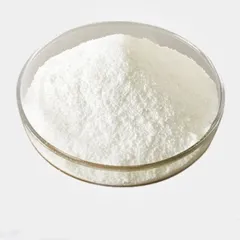
(TRUNNANO Silicon Oxide)
Basic Characteristics and Synthesis Methods
Nano-silica fragments possess distinct features that distinguish them from mass silica, including improved mechanical stamina, boosted diffusion behavior, and superior optical openness. These residential or commercial properties stem from their high surface-to-volume ratio and quantum confinement effects at the nanoscale. Various synthesis techniques– such as sol-gel handling, fire pyrolysis, microemulsion strategies, and biosynthesis– are employed to regulate fragment size, morphology, and surface functionalization. Current breakthroughs in green chemistry have actually additionally made it possible for environment-friendly production paths utilizing agricultural waste and microbial resources, lining up nano-silica with circular economy concepts and lasting development objectives.
Role in Enhancing Cementitious and Building Materials
One of one of the most impactful applications of nano-silica lies in the building and construction industry, where it substantially boosts the efficiency of concrete and cement-based compounds. By loading nano-scale gaps and accelerating pozzolanic reactions, nano-silica enhances compressive strength, reduces permeability, and enhances resistance to chloride ion infiltration and carbonation. This brings about longer-lasting infrastructure with lowered upkeep expenses and environmental impact. In addition, nano-silica-modified self-healing concrete solutions are being created to autonomously fix fractures via chemical activation or encapsulated recovery representatives, better extending service life in hostile atmospheres.
Integration into Electronics and Semiconductor Technologies
In the electronic devices field, nano-silica plays an essential duty in dielectric layers, interlayer insulation, and progressed packaging services. Its reduced dielectric constant, high thermal stability, and compatibility with silicon substratums make it perfect for usage in incorporated circuits, photonic devices, and adaptable electronic devices. Nano-silica is likewise made use of in chemical mechanical polishing (CMP) slurries for accuracy planarization throughout semiconductor construction. Furthermore, emerging applications include its usage in clear conductive films, antireflective finishings, and encapsulation layers for organic light-emitting diodes (OLEDs), where optical quality and lasting reliability are paramount.
Innovations in Biomedical and Drug Applications
The biocompatibility and non-toxic nature of nano-silica have actually caused its widespread adoption in medication shipment systems, biosensors, and cells design. Functionalized nano-silica fragments can be engineered to bring restorative representatives, target specific cells, and launch medications in controlled settings– providing considerable capacity in cancer treatment, gene delivery, and chronic disease monitoring. In diagnostics, nano-silica works as a matrix for fluorescent labeling and biomarker detection, enhancing level of sensitivity and accuracy in early-stage disease testing. Researchers are additionally discovering its usage in antimicrobial finishings for implants and wound dressings, broadening its utility in clinical and healthcare settings.
Technologies in Coatings, Adhesives, and Surface Design
Nano-silica is transforming surface engineering by enabling the advancement of ultra-hard, scratch-resistant, and hydrophobic coatings for glass, metals, and polymers. When included right into paints, varnishes, and adhesives, nano-silica boosts mechanical resilience, UV resistance, and thermal insulation without endangering transparency. Automotive, aerospace, and consumer electronic devices markets are leveraging these residential properties to enhance product aesthetics and durability. In addition, clever finishes infused with nano-silica are being developed to reply to ecological stimulations, offering adaptive security against temperature modifications, wetness, and mechanical anxiety.
Environmental Removal and Sustainability Campaigns

( TRUNNANO Silicon Oxide)
Beyond industrial applications, nano-silica is gaining grip in ecological innovations aimed at pollution control and source healing. It works as a reliable adsorbent for heavy metals, organic toxins, and radioactive impurities in water treatment systems. Nano-silica-based membranes and filters are being maximized for careful filtering and desalination processes. Additionally, its ability to function as a catalyst assistance improves destruction performance in photocatalytic and Fenton-like oxidation responses. As regulative standards tighten and international demand for clean water and air rises, nano-silica is becoming a key player in lasting remediation methods and eco-friendly modern technology growth.
Market Patterns and Worldwide Sector Expansion
The international market for nano-silica is experiencing quick growth, driven by boosting demand from electronics, construction, drugs, and energy storage space industries. Asia-Pacific stays the biggest producer and consumer, with China, Japan, and South Korea leading in R&D and commercialization. North America and Europe are also witnessing solid development fueled by advancement in biomedical applications and advanced manufacturing. Key players are spending greatly in scalable production modern technologies, surface modification abilities, and application-specific solutions to satisfy advancing sector demands. Strategic collaborations in between scholastic organizations, start-ups, and multinational firms are speeding up the change from lab-scale study to full-blown industrial implementation.
Challenges and Future Instructions in Nano-Silica Technology
Despite its many benefits, nano-silica faces obstacles associated with dispersion security, cost-efficient massive synthesis, and long-lasting health and wellness analyses. Agglomeration tendencies can lower effectiveness in composite matrices, needing specialized surface area treatments and dispersants. Manufacturing prices stay fairly high contrasted to conventional ingredients, limiting adoption in price-sensitive markets. From a governing viewpoint, ongoing researches are assessing nanoparticle toxicity, inhalation risks, and ecological fate to guarantee accountable use. Looking ahead, continued innovations in functionalization, crossbreed compounds, and AI-driven solution style will open brand-new frontiers in nano-silica applications throughout industries.
Conclusion: Forming the Future of High-Performance Products
As nanotechnology continues to develop, nano-silica stands apart as a versatile and transformative product with far-reaching implications. Its integration into next-generation electronics, smart framework, clinical treatments, and ecological solutions underscores its tactical significance in shaping an extra effective, lasting, and technically sophisticated world. With continuous research and industrial partnership, nano-silica is poised to end up being a keystone of future product technology, driving progression across scientific self-controls and economic sectors globally.
Distributor
TRUNNANO is a supplier of tungsten disulfide with over 12 years of experience in nano-building energy conservation and nanotechnology development. It accepts payment via Credit Card, T/T, West Union and Paypal. Trunnano will ship the goods to customers overseas through FedEx, DHL, by air, or by sea. If you want to know more about silicon carbide crystal, please feel free to contact us and send an inquiry(sales5@nanotrun.com). Tags: silica and silicon dioxide,silica silicon dioxide,silicon dioxide sio2
All articles and pictures are from the Internet. If there are any copyright issues, please contact us in time to delete.
Inquiry us